More Modelling Recipes
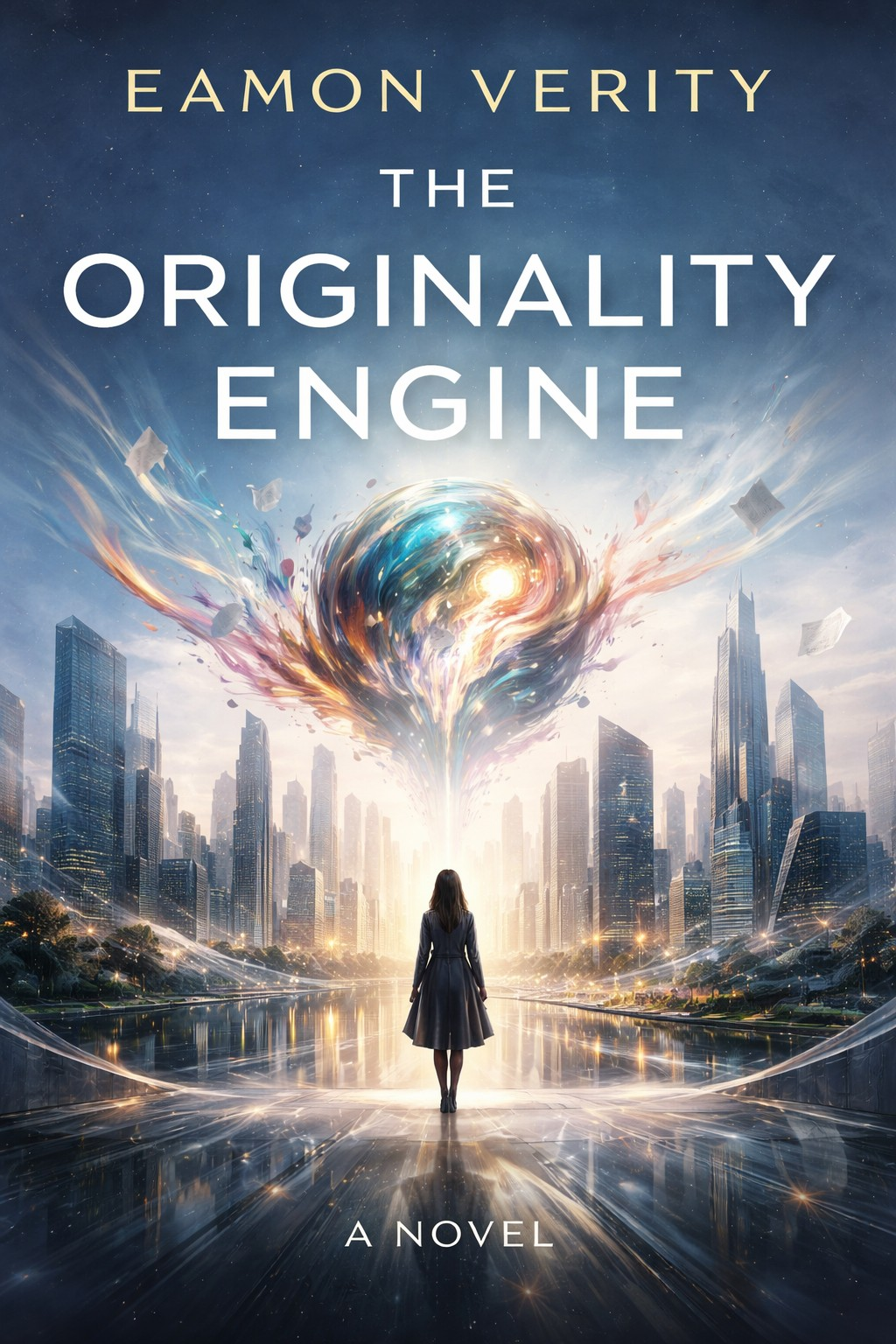
From sticky notes to a full novel: building (and using) a personal AI writing studio
Bot de Plume is a Next.js writing app with a multi-agent pipeline — character context assembly, scene drafting, continuity checking, and editorial passes. I used it to write and publish a novel. It sold one copy. Here's what I learned.
Sketch Bot is coming: building an AI art studio
A multi-agent AI pipeline that researches the digital art market, directs and generates art, critiques its own output, and iterates until it meets the bar. An exploration of agent orchestration within an app — and a closed loop that almost closes.
Building a family hub app with Claude Code
My household runs on organised chaos. So I built Family Hub — a shared productivity app running on a kitchen tablet, hosted on Google Cloud, and built largely with the help of Claude Code.
Copilot Studio Agent Builder: a PDS comparison tool and the eval that humbled it
Copilot Studio's agent builder makes it trivially easy to wrap a set of documents in an AI interface and share it across Teams. A year on from building Clear PDS in ChatGPT, I rebuilt the concept with a different platform, a more structured approach — and ran into a harder question about what it actually means to evaluate one of these tools.
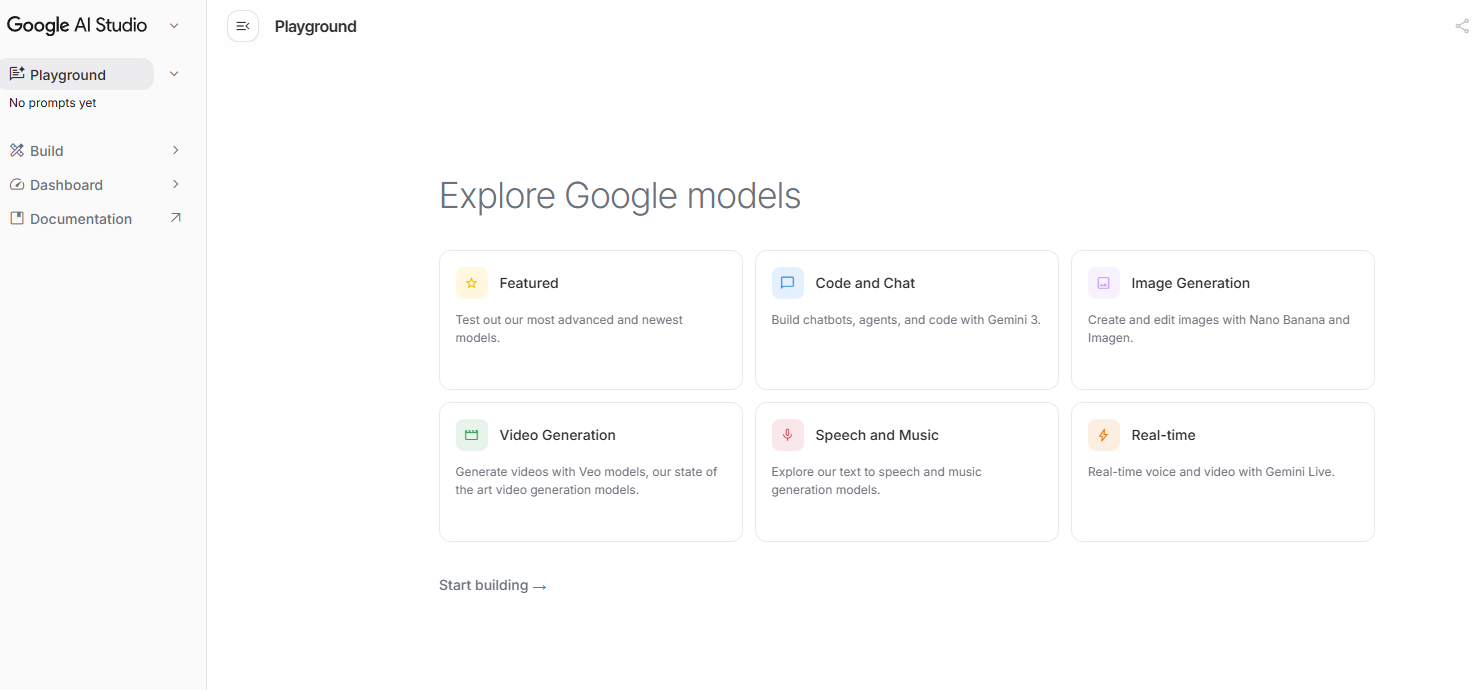
Building with Google AI Studio
A collection of small projects built using Google AI Studio and the Gemini API - from arcade games and digital pets to life insurance tools.
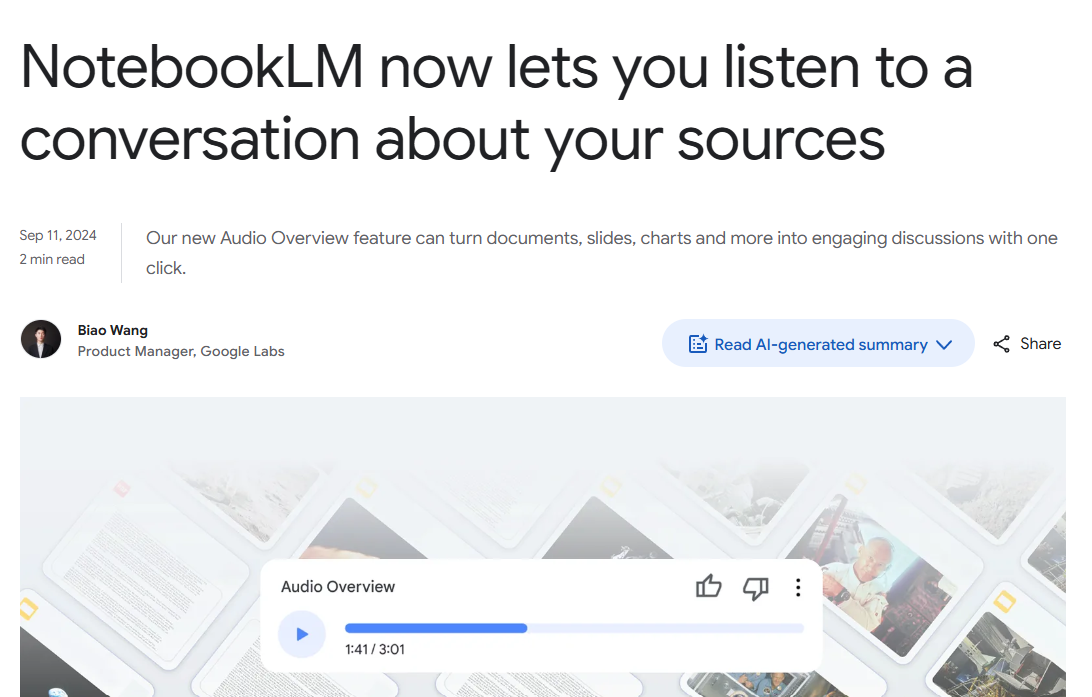
NotebookLM as a learning tool — Audio Overview
Using Google NotebookLM's Audio Overview to convert Microsoft Fabric documentation into a podcast for gap-filling while running — and a follow-up applying the same approach to a corporate annual report, to unexpectedly strong reception from the leadership team.
NotebookLM and the insulin pumps
Using Google NotebookLM to explore the variables driving a closed-loop insulin pump algorithm — grounding an AI in pump manuals, published research, and a child's own glucose and insulin delivery data to optimise settings for a newly diagnosed young diabetic.
Custom GPTs — a dedicated AI for your documents
Custom GPTs allow you to build a tailored instance of ChatGPT with its own knowledge base, instructions, and persona. An exploration using Clear PDS — a custom GPT holding Product Disclosure Statements from ten Australian life insurers, built for comparative analysis across the market.
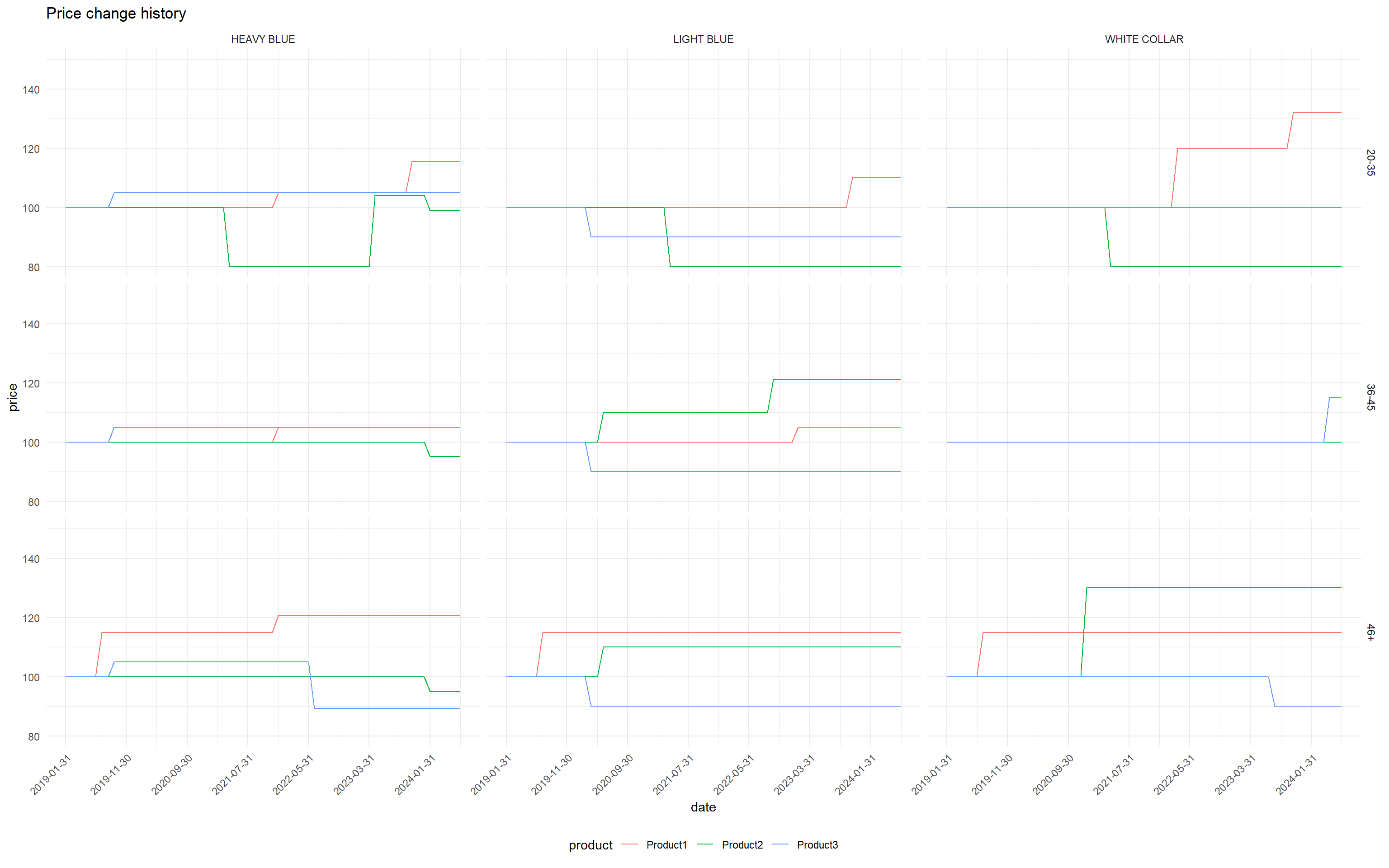
Exploring price elasticity
Price elasticity is the responsiveness of sales to changes in price. Initial exploration looking at demand/ recommendation modelling given price and other variables. Extendable to elasticity questions to help drive pricing strategies.
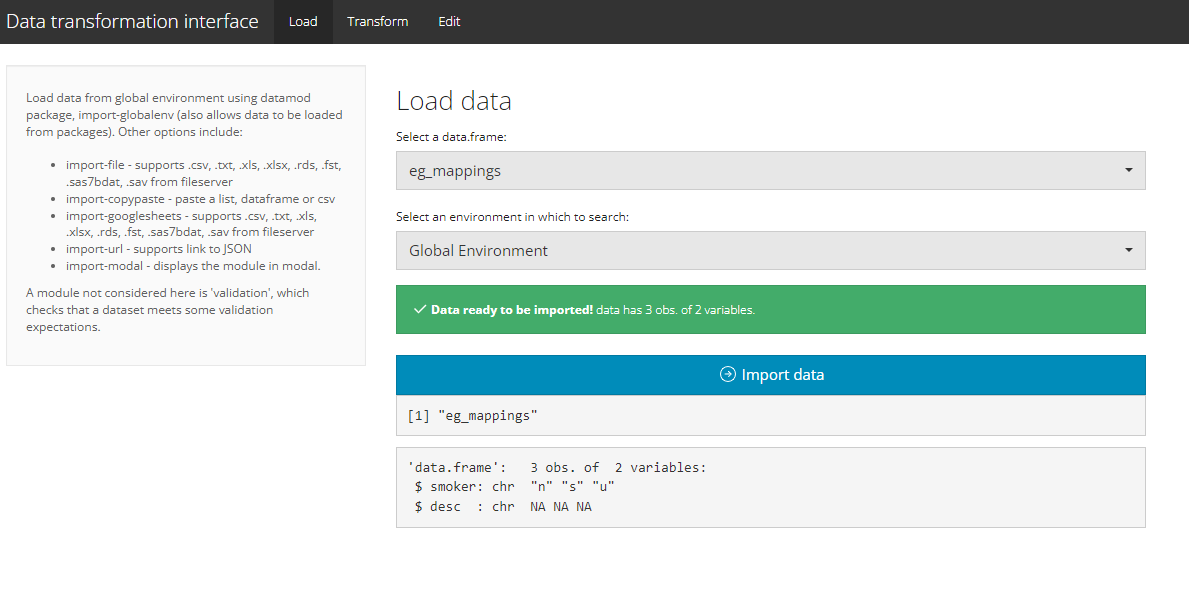
Transformation interface
Considering low-code interface solutions for simple data editing and transformation problems in R and Python.
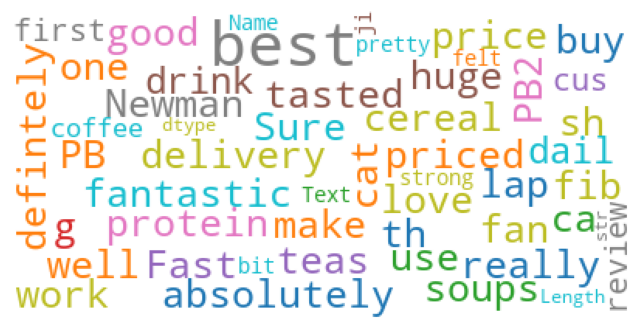
Exploring topic analysis
Classifying text data into multiple topics with a view to extracting primary and secondary topics, amongst other applications. Could be extended to claim cause classification problems in (life) insurance.
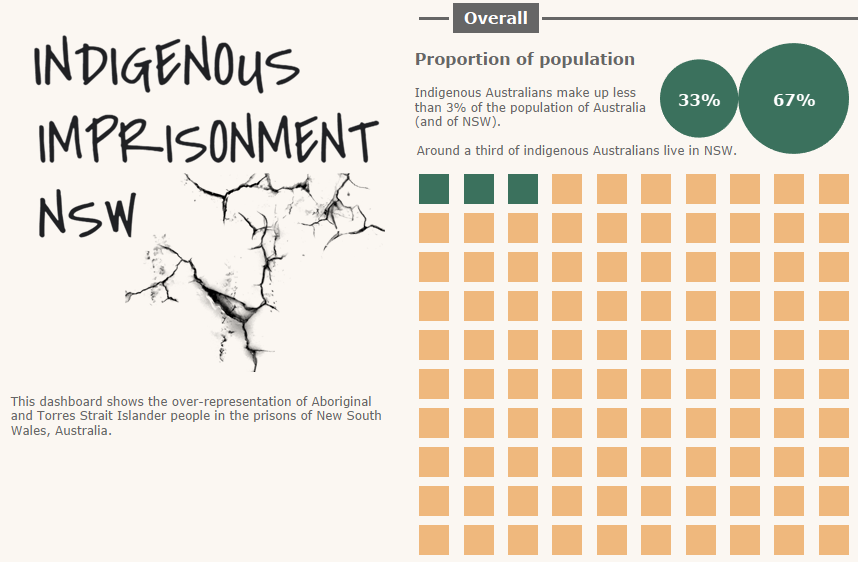
Indigenous over-representation in the prisons of NSW
A dashboard showing the over-representation of Aboriginal and Torres Straight Islander people in the prisons of New South Wales, Australia. Includes recipes for waffle and Coxcomb variations on the conventional pie chart.
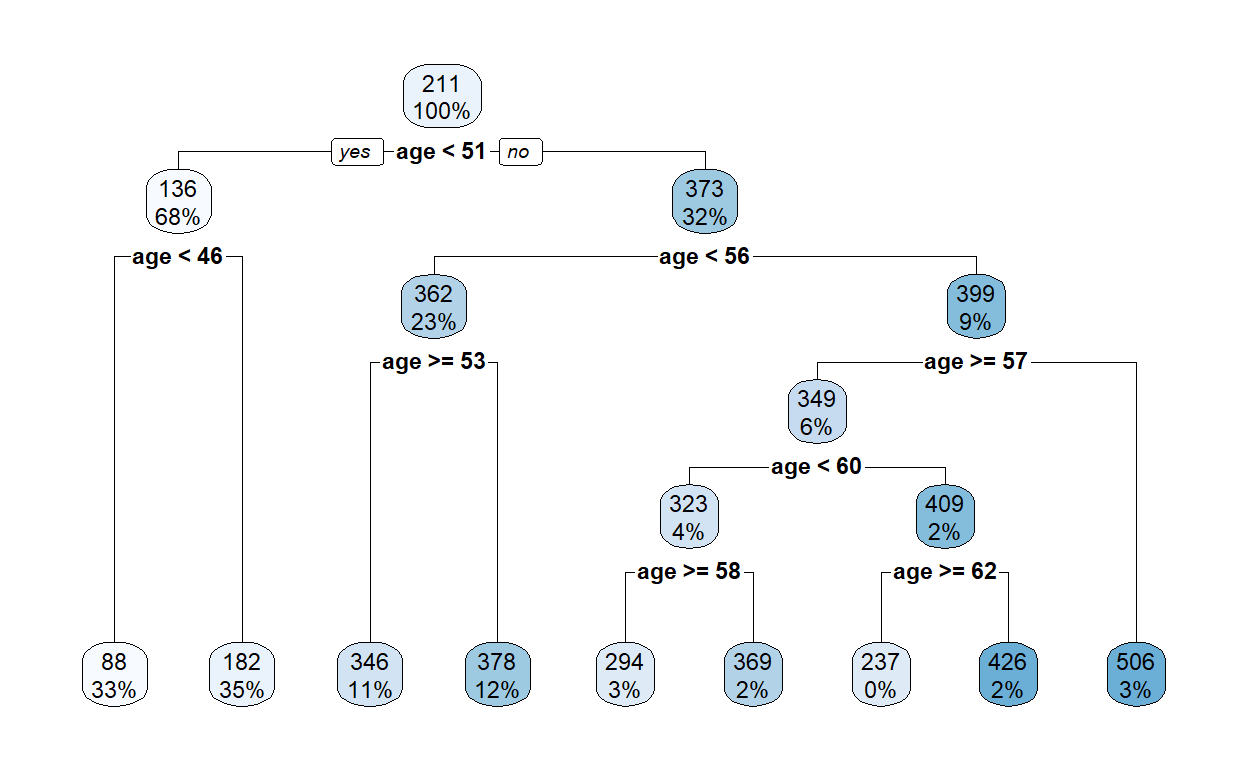
Decision trees
A brief into to decision tree classification techniques with a few simple worked examples using (life) insurance data on disability income.
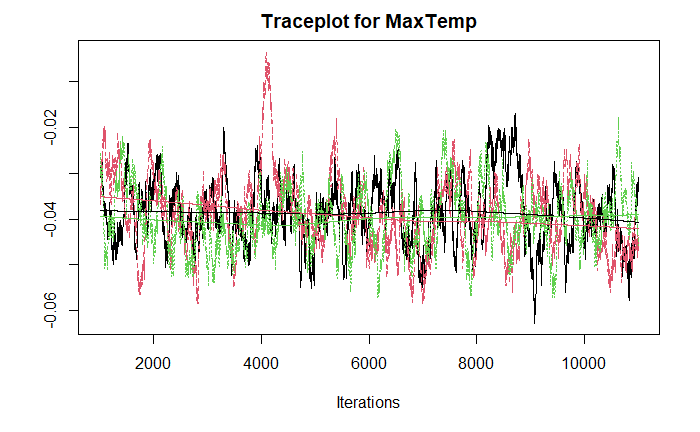
Bayesian applications
A quick Bayesian refresher, an extension to regression models and other applications.
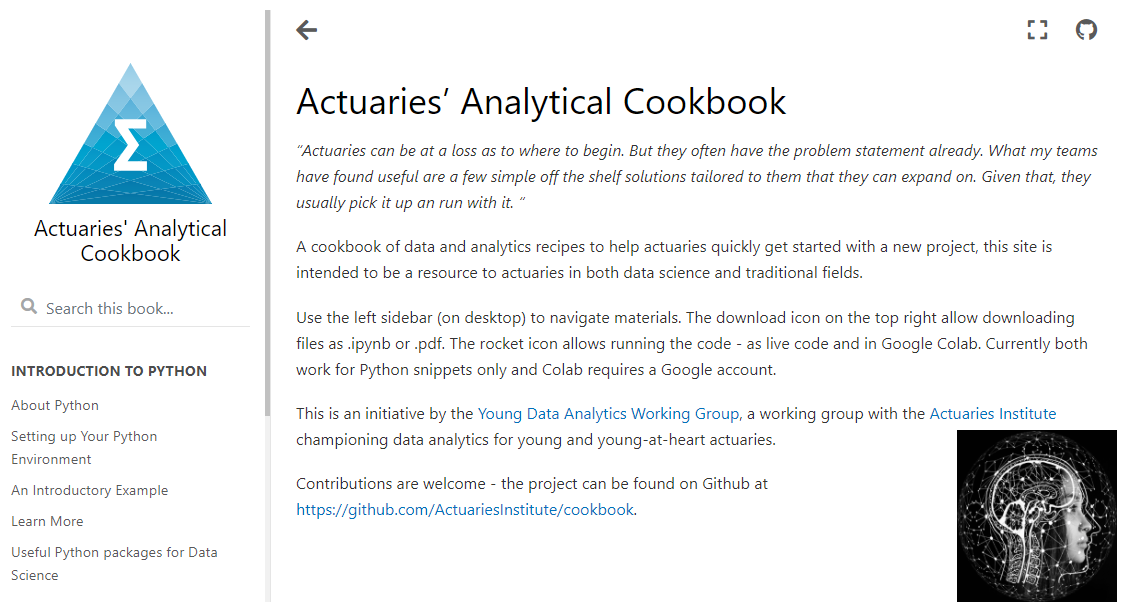
Actuaries Institute Cookbook
I have collaborated with members of the Actuaries Institute of Australia on this 'Actuaries Analytical Cookbook'. It spawned from the idea of sharing recipes to help actuaries and data scientists get started quickly on new projects.
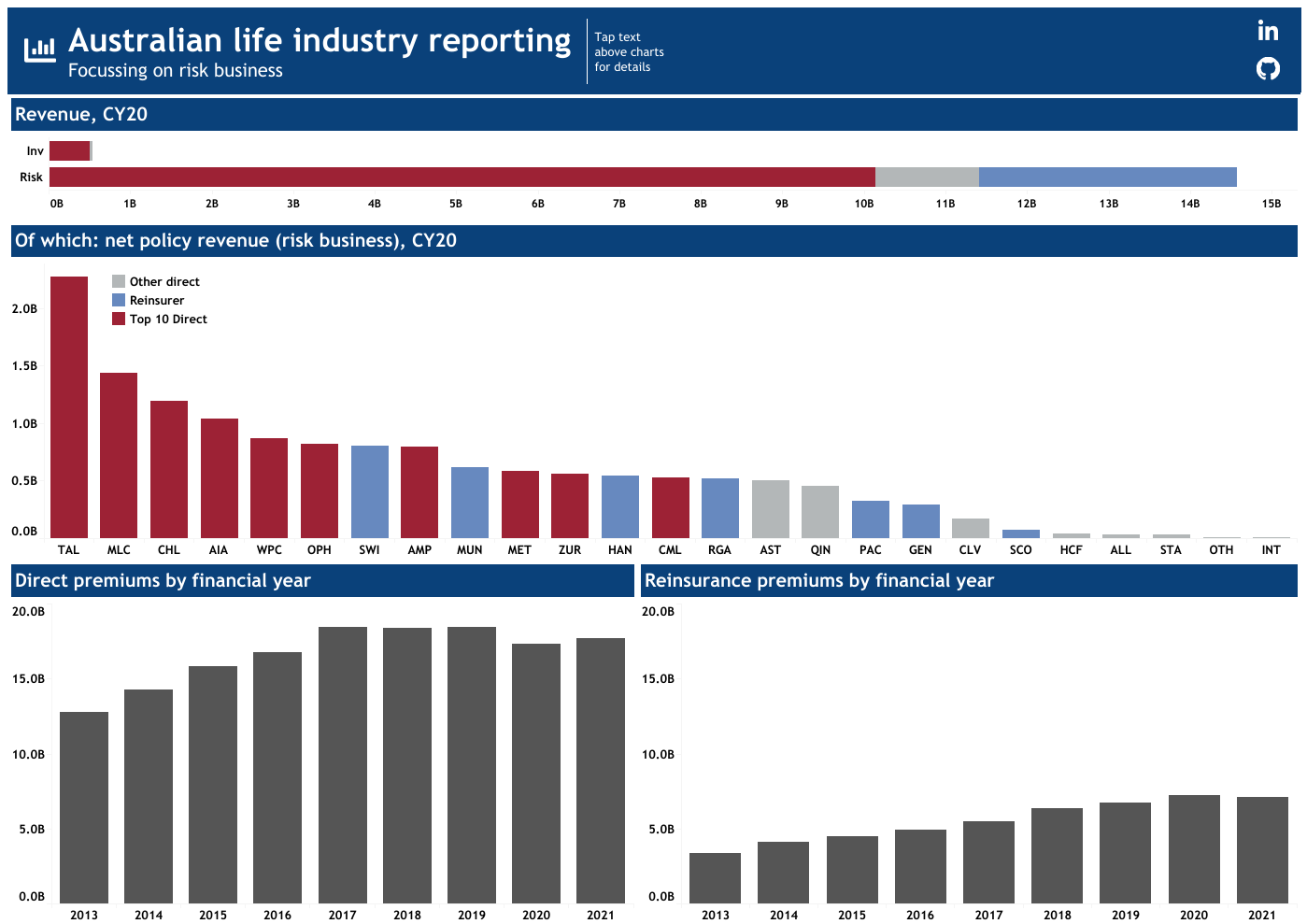
Life industry stats
This article sets out a simple recipe for visualising Australian life industry data from APRA using Tableau.
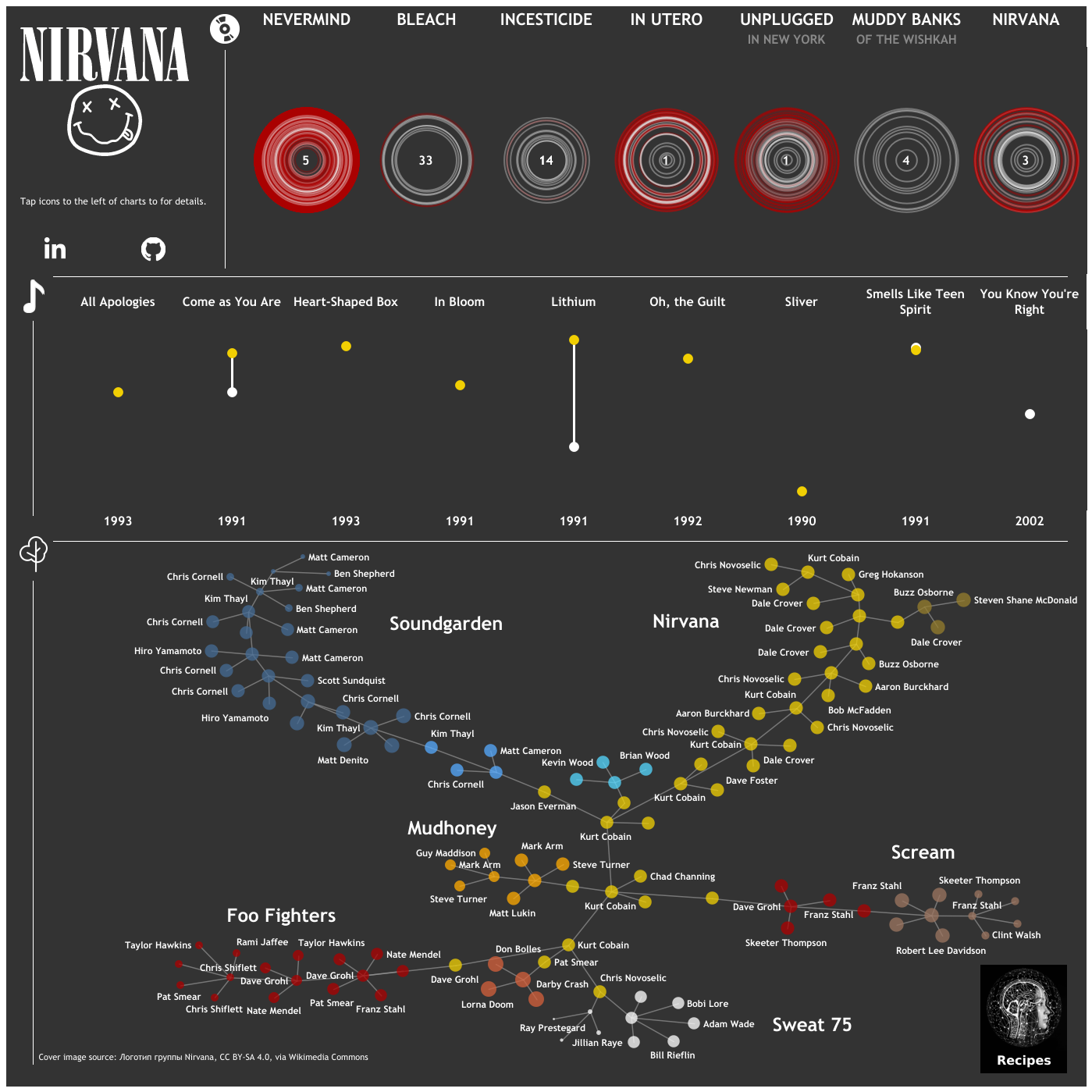
Network graphs
This article sets out a simple recipe for visualising a network using Tableau and Gephi. The example used is the network of bands and band members interconnected with Nirvana.
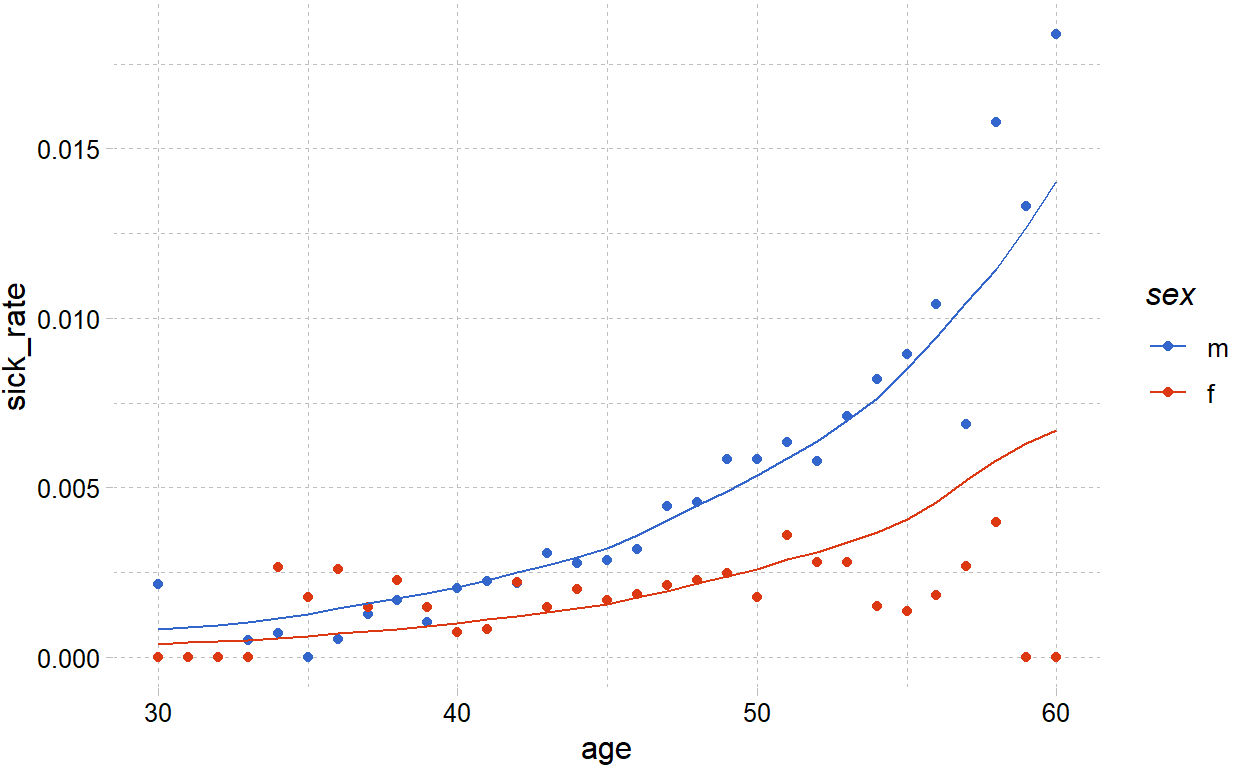
Regression modelling
This article sets out a few practical recipes for modelling with (life) insurance data. Insurance events are typically of low probability - these recipes consider some of the limitations of "small data" model fitting (where the observations of interest are sparse) and other topics for insurance like comparisons to standard tables.
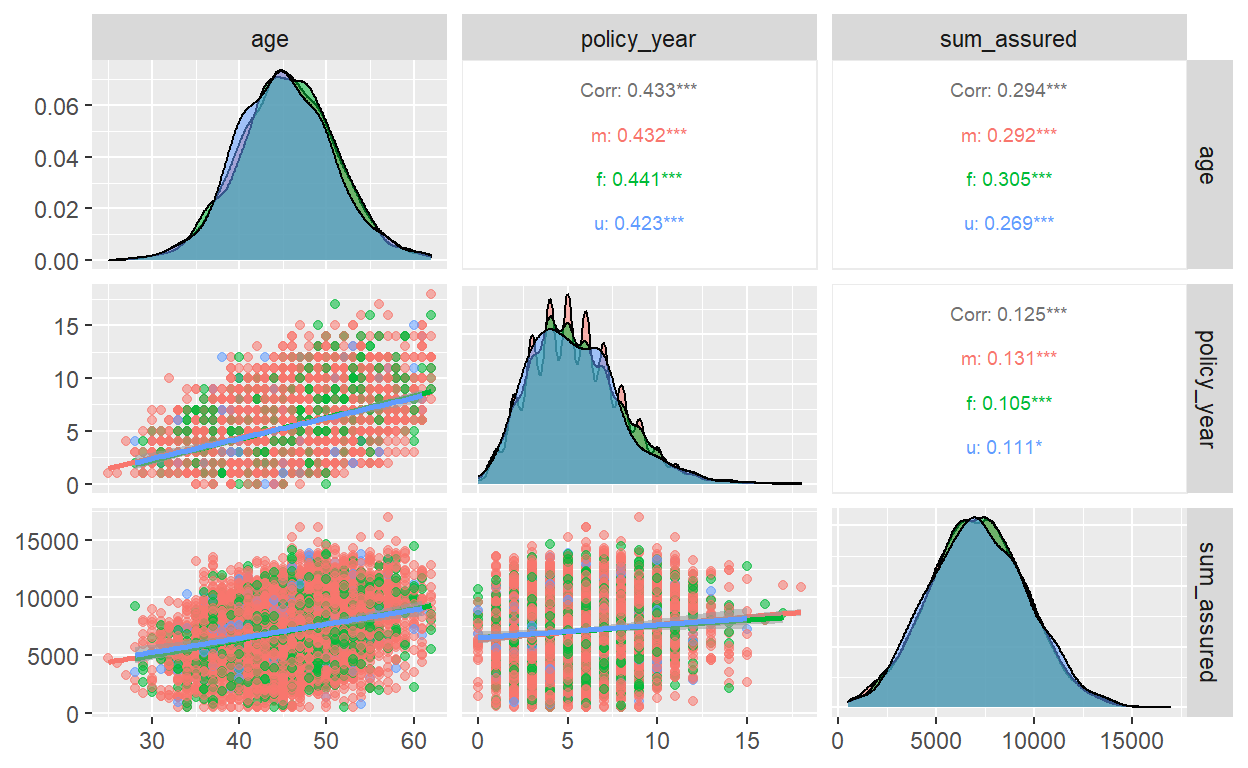
Data transformations
This article sets out a few practical recipes for data transformations with (life) insurance data.